
Landscaping
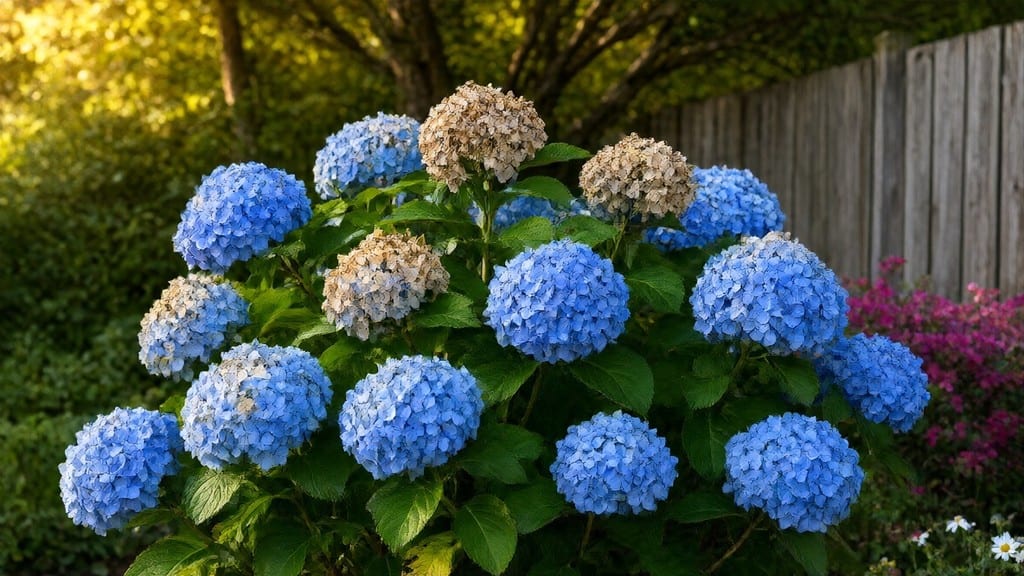
My cottage garden landscaping began with a single rambling rose and a stubborn patch of lavender that refused to die—turns out, that’s exactly how these gardens grow.
The magic isn’t in perfect lines but in the messy, layered charm of plants spilling over paths, climbing trellises, and filling the air with scent. I learned the hard way that cottage gardens thrive on chaos, not control, with every season bringing new surprises.
Start with a mix of tall perennials like delphiniums and hollyhocks as your backbone, then weave in romantic annuals like sweet peas and nasturtiums for color bursts. Add herbs like rosemary and thyme for texture and fragrance, and don’t forget climbing roses or clematis to train on arbors or fences.
The key? Informal borders—no straight edges here—just let plants wander where they will. Even a small yard can handle this style with clever layering and vertical space.
By midsummer, you’ll have a garden that feels like a living postcard: lush green foliage peeking through blooms, butterflies fluttering between flowers, and the sweet, earthy scent of lavender on warm afternoons.
The best part? It keeps evolving—what looks sparse in spring becomes a riot of color by fall, then a winter wonderland with dried seed heads and frost-kissed leaves.
Works in any climate, from coastal gardens battling salt spray to inland plots facing heat waves—just swap heat-loving plants like salvias for cold-hardy hellebores where needed. The real secret? Plant in drifts, not rows, and let nature take the lead. Ready to create your own storybook garden?
📚 In This Guide
- What you need
- Instructions
- Tips and common mistakes
- Wrapping up and next steps
What you need
- ● Soil & Amendments: Topsoil (2-3 cubic yards, depending on garden size)
- ● Compost (1-2 bags or homemade, for enriching soil)
- ● Organic mulch (straw, wood chips, or shredded bark—10-15 bags)
- ● Plants (Mix of Perennials & Annuals): Perennials (e.g., peonies, lavender, daylilies—5-10 plants per type)
- ● Annuals (e.g., sweet peas, marigolds, pansies—10-20 plants per type)
- ● Climbing plants (e.g., clematis, roses—3-5 vines)
- ● Herbs (e.g., thyme, rosemary—3-5 plants for fragrance)
- ● Structures & Decor: Trellises or arbors (1-2, for climbing plants)
- ○ Garden benches or chairs (optional but cozy!)
- ● Stone or wooden borders (for defining paths—20-30 linear feet)
- ● Hand trowel (for planting small items)
- ● Garden shovel (for digging)
- ● Pruners (sharp, for trimming)
- ● Wheelbarrow (for hauling soil/mulch)
- ● Garden hose with spray nozzle (for watering)
- ● Measuring tape & stakes (for layout)
- ○ Optional: Lawn edger (for crisp borders), wheelbarrow gloves (for comfort)
- ● Sunlight assessment: 6+ hours/day for most cottage plants (adjust for shade-lovers like ferns).
- ● Water source: Easy access to a hose or irrigation system.
- ● Time commitment: 3-6 months for initial planting + seasonal maintenance.
- ● Pro Tip: Test your soil’s pH (kits available at garden centers) to pick the right plants!
Instructions: designing your cottage garden in four whimsical layers
Here’s how to create a lush, ever-changing garden that feels like a storybook come to life.
Plan the Backdrop with Tall, Structural Plants
Start with the tallest elements—these will anchor your design and frame the rest of the garden. Choose a mix of perennials like delphiniums, hollyhocks, and foxgloves, along with small trees such as flowering cherries or crabapples if space allows. These plants should reach 6 to 10 feet at maturity, providing both height and seasonal interest.
Place them in clusters of three or five for a natural, organic look. Avoid rigid rows—cottage gardens thrive on asymmetry. I like to group them near the back of the space or along fences, where they can lean slightly for added charm. This layer will also provide shelter for smaller plants and wildlife, creating a balanced ecosystem.
Build the Mid-Layer with Blooming Shrubs and Perennials
Now, fill the middle with a mix of shrubs (like hydrangeas, lilacs, or butterfly bush) and mid-height perennials (such as peonies, black-eyed Susans, or Russian sage). These should range from 2 to 5 feet tall and should bloom at different times to ensure continuous color. For example, pair early spring bloomers like lungwort with summer stars like coneflowers.
Space them 18 to 24 inches apart, allowing room for them to spread naturally. This layer is where the real magic happens—mix textures, colors, and heights to create depth. I often weave in climbing roses or clematis here, training them to twine through the taller plants for a romantic, old-world feel.
Layer in the Foreground with Bulbs, Annuals, and Fillers
The front layer is where you can get creative with spring bulbs (tulips, daffodils, alliums), annuals (pansies, sweet alyssum, marigolds), and low-growing perennials (lavender, creeping thyme, or ajuga). These should stay under 12 inches tall and should spill over edges for a soft, inviting look. Use bulbs for early color, then fill gaps with annuals that bloom all summer.
Plant in odd-numbered groupings (threes or fives) to avoid a flat, uniform appearance. I like to tuck in unexpected textures, like ornamental grasses or ferns, to add movement. This layer is also where you can incorporate edible flowers (nasturtiums, calendula) for a functional twist. Water deeply after planting to encourage strong root growth.
Add Whimsical Accents and Pathways
No cottage garden is complete without pathways—use stepping stones, gravel, or a winding brick path to meander through the layers. Add ornamental features like vintage birdbaths, weathered trellises, or a rustic bench to invite lingering. Scatter wildflower seeds in sunny spots for spontaneous blooms, and include native plants to support local pollinators.
Finally, let some areas look intentionally undone—leave room for self-seeding plants (like poppies or foxgloves) to naturalize. Mulch with straw or shredded bark to suppress weeds and retain moisture, but avoid over-tidying. The goal is a garden that feels alive, not manicured.
This approach ensures your cottage garden evolves with the seasons, offering color, texture, and charm year-round.
Tips & tricks for perfect cottage garden landscaping
Creating a cottage garden that feels alive and intentional requires more than just planting flowers—it’s about understanding the subtle art of layering and balance. Here’s how to elevate your design from charming to extraordinary.
Plant Height Hierarchy: When arranging your tall structural plants in Step 1, consider their mature height rather than their current size. Delphiniums and hollyhocks might start small, but they’ll tower over your garden by summer. Place them near fences or walls where they can lean naturally, creating a dynamic, slightly wild look. This layer acts as the garden’s backbone—without it, the rest of your design will feel disjointed. Think of it as the foundation of a house: sturdy and unobtrusive, but everything else depends on it.
Seasonal Succession Planning: The mid-layer in Step 2 is where you’ll create year-round interest, but it requires strategic planning. Research each plant’s bloom time and pair early bloomers like lungwort with late-season stars like Russian sage. I like to sketch a simple timeline on graph paper, marking bloom periods for each plant. This ensures you’ll always have something in flower, even in winter when many perennials fade. For example, pair spring’s peonies with summer’s black-eyed Susans, then rely on ornamental grasses for late-season texture.
Foreground Techniques: In Step 3, the key to making your foreground layer feel lush and inviting lies in the details. Plant spring bulbs in clusters of 15-20 rather than scattered singles—they’ll create dramatic drifts of color when they bloom. For annuals, choose varieties with different bloom times (like early pansies followed by summer marigolds) to extend your season. And here’s a pro tip: intersperse edible flowers like nasturtiums among your ornamentals—they’ll attract pollinators while adding a subtle culinary twist to your garden’s aesthetic.
Pathway Integration: The pathways in Step 4 should feel like an extension of your garden, not just functional elements. Choose materials that complement your plant palette—sandstone stepping stones for a rustic look, or gravel that blends with your mulch color. I recommend creating at least one “secret path” that meanders through your garden, encouraging exploration. This not only adds visual interest but also creates microclimates that can support different plant varieties. And don’t forget to incorporate seating along these paths—rustic benches or even simple tree stumps—where visitors can pause and appreciate your hard work.
Pro Tips for Cottage Garden Landscaping
- Creating a cottage garden that feels alive and intentional requires more than just planting flowers—it’s about understanding the subtle art of layering and balance.
- Plant Height Hierarchy: When arranging your tall structural plants in Step 1, consider their mature height rather than their current size.
- Seasonal Succession Planning: The mid-layer in Step 2 is where you’ll create year-round interest, but it requires strategic planning.
Frequently asked questions
Got questions about bringing your dream cottage garden to life? Here are some of the most common inquiries—and their answers—to help you get started with confidence!
What’s the best time of year to start a cottage garden?
The ideal time depends on your climate! In mild zones, spring (March–April) is perfect for planting perennials and annuals. In cooler regions, wait until after the last frost (May–June). For warm climates, fall (September–October) is ideal to avoid summer heat. Always check your USDA hardiness zone for guidance!
Can I create a cottage garden on a budget?
Start small with cuttings or seeds from local nurseries or even free plant swaps. Use mulch (like grass clippings) to suppress weeds, and repurpose old containers or stones for borders. Focus on low-maintenance perennials (like lavender or coneflowers) to save long-term costs.
How do I keep pests away without chemicals?
Cottage gardens are naturally resilient! Plant companion plants (e.g., marigolds to deter pests or nasturtiums to repel squash bugs). Introduce beneficial insects like ladybugs or lacewings. Use neem oil or homemade garlic spray for targeted treatment. Healthy soil = happy plants that resist pests!
What if my soil isn’t ideal for cottage gardening?
No worries—cottage gardens thrive with a little TLC! Amend your soil with compost or aged manure to improve drainage and fertility. For heavy clay, mix in sand or perlite. Raised beds are a great alternative if your soil is poor or compacted. Test your soil’s pH (aim for 6.0–7.0) and adjust with lime or sulfur if needed.
How do I layer plants for that classic cottage look?
Think tall to short! Place grasses or shrubs (like hydrangeas) at the back, mid-height perennials (e.g., peonies or delphiniums) in the middle, and spillers like pansies or sweet alyssum up front. Add climbing roses or clematis for vertical interest. Mix textures and colors for a lush, romantic feel.
Wrapping up and next steps
Transforming your outdoor space into a charming cottage garden isn’t just about adding beauty—it’s about creating a living, evolving sanctuary that reflects your personality. 🌸 Whether you’re drawn to climbing roses, fragrant lavender, or playful wildflowers, the key is to embrace layers, textures, and a touch of nostalgia.
Start small, experiment with what thrives in your climate, and let your garden grow into something uniquely yours.
Ready to dive in? Sketch a rough layout, gather your tools, and take the first step—your future garden will thank you! 🌿