
Landscaping
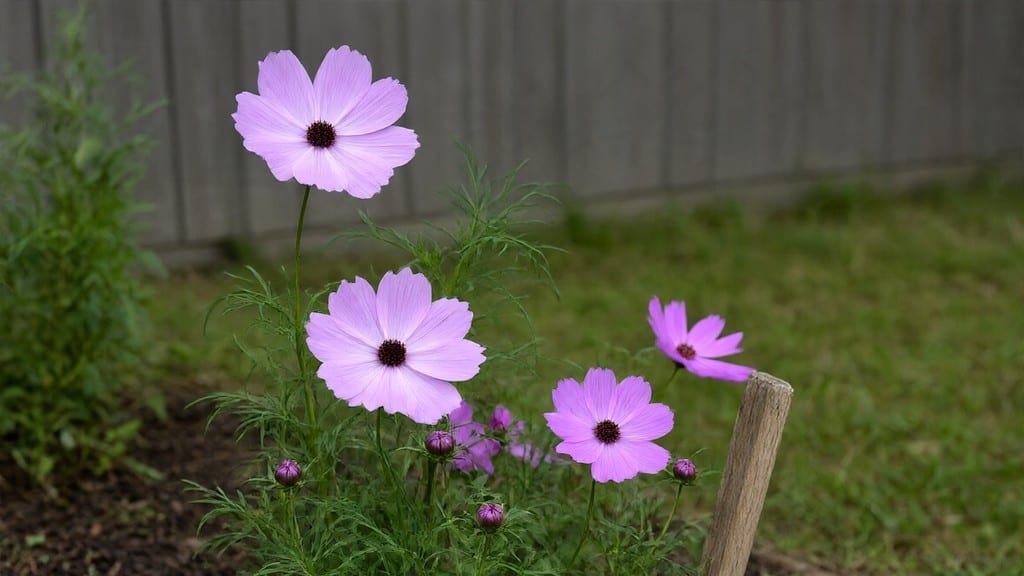
A cosmos garden design with bold vertical drama turns any space into a year-round showstopper—just look at how my towering varieties kept blooming from summer through frost, filling borders with nonstop color. 🌻 The secret lies in their airy stems and how they pair with other plants to create height without sacrificing airflow.
Start with the right cosmos mix: 'Bright Lights' for deep burgundy foliage, 'Sea Shells' for soft pinks, or 'Sensation' for classic crimson. Pair them with sun-loving companions like salvia, lavender, or ornamental grasses to stretch vertical interest.
For containers, mix cosmos with trailing nasturtiums or dwarf sunflowers—it’s foolproof and instantly eye-catching.
What you’ll end up with is a garden that feels effortlessly structured, even in late fall when most annuals have faded. The feathery foliage adds texture year-round, while the blooms attract pollinators like crazy. Plus, cosmos self-seed reliably, so you’ll get free plants next season.
Works for cottage gardens, modern borders, or even urban balconies. The key is playing with height—tall cosmos in the back, medium companions in the middle, and spillers in front. Let’s get designing!
📚 In This Guide
- What you need
- Instructions
- Tips and common mistakes
- Wrapping up and next steps
What you need
- ● Cosmos bipinnatus or Cosmos sulphureus – 3–5 plants per vertical structure (choose upright varieties like ‘Bright Lights’ or ‘Sensation’ for height).
- ● Vertical support structures – Trellises (6–8 ft tall), obelisks, or wire cages (galvanized steel or bamboo).
- ● Evergreen fillers – 1–2 per structure (e.g., Heuchera, Hellebores, or Sedum for winter interest).
- ● Structural grasses – 1 per 3–4 ft of height (e.g., Pennisetum or Miscanthus for movement).
- ● Mulch – 2–3 inches of shredded bark or gravel to retain moisture and suppress weeds.
- ● Slow-release fertilizer – 10–10–10 or organic compost (apply at planting and mid-season).
- ● Garden trowel and pruners (bypass for clean cuts).
- ● Measuring tape and stakes for layout planning.
- ● Garden gloves and knee pads (trust us, they’re a game-changer!).
- ○ Hose with adjustable nozzle or watering can (drip irrigation is optional but ideal).
- ● String or garden line (for marking plant spacing).
- ● Lighting – Solar-powered path lights or uplighting to highlight vertical structures at night.
- ● Decorative accents – Copper pots, driftwood, or mosaic tiles for a whimsical touch.
- ● Seasonal swaps – Pansies or Cyclamen for winter color, or Salvia for summer heat tolerance.
- ● Soil amendments – Perlite or vermiculite to improve drainage in containers.
Instructions for creating a cosmos garden with striking vertical interest
Here’s how to craft a bold, layered cosmos display that thrives from spring through frost.
🌱 Step 1: Select and Prepare Your Cosmos Varieties
Choose cosmos types that complement each other in height and bloom time. I recommend ‘Bright Lights’ for early color (18-24 inches tall) alongside ‘Sensation’ (3-4 feet) and ‘Cosmic Orange’ (36-48 inches) for vertical drama. Each plant produces dozens of blooms, so space them 12-18 inches apart in rows or clusters.
Dig in a 2-inch layer of compost into the top 6 inches of soil before planting. Cosmos thrive in well-drained soil with 60-70% sunlight daily, but they’re drought-tolerant once established. Amend heavy clay with sand or perlite to prevent root rot—cosmos hate soggy feet.
🪴 Step 2: Plant for Height and Seasonal Succession
Arrange cosmos in three tiers: short varieties (18-24 inches) in the front, medium (24-36 inches) in the middle, and tall (36+ inches) as backdrops. Stagger planting dates by 2-3 weeks for continuous blooms—start with early varieties in late spring, then add mid- and late-season types. This ensures flowers from June through October without gaps.
Dig holes twice as wide as the root ball but no deeper. Gently loosen roots if pot-bound, then backfill with soil, pressing lightly to eliminate air pockets. Water deeply immediately after planting to settle roots—you’ll see soil settle 1-2 inches as it absorbs moisture.
☀️ Step 3: Support Tall Varieties for Maximum Impact
Install 3-4 foot bamboo stakes or metal cages at planting for ‘Sensation’ and ‘Cosmic Orange’—cosmos stems are wiry but can flop under heavy blooms. Weave stems through the supports as they grow to create a natural, airy lattice. Avoid tying too tightly; cosmos need room to sway in breezes.
Mulch with 2-3 inches of shredded bark to suppress weeds and retain moisture. Keep mulch 2 inches away from stems to prevent rot. Water deeply once weekly during dry spells, aiming for 1 inch of water per week. You’ll know you’ve hit the mark when the top 2 inches of soil feel damp but not wet.
✂️ Step 4: Prune for Longer Blooms and Deadhead Strategically
Pinch back first blooms when they’re half-open to encourage bushier growth. Use clean, sharp pruners to cut stems just above a set of leaves—this redirects energy to side shoots. Cosmos self-seed prolifically, so remove spent blooms every 3-4 days to prevent leggy stems and promote nonstop flowering. I always wear gloves for this step—cosmos stems are prickly!
In late summer, cut back tall, woody stems by one-third to rejuvenate growth. This triggers a second flush of blooms in early fall, extending the display until frost. Save seeds from your favorite varieties by letting 3-5 blooms mature on the plant before harvesting.
🌿 Step 5: Extend the Season With Companion Plantings
Interplant cosmos with salvias, zinnias, or ornamental grasses for texture contrast. Salvias provide early-season color while cosmos bulk up, and grasses like Miscanthus add movement once cosmos fade in late fall. Avoid pairing with aggressive spreaders like mint or creeping thyme—cosmos need space to shine.
For winter interest, leave 3-4 tall stems standing after frost. Their papery seed heads catch snow and add structure to dormant gardens. If you prefer a cleaner look, cut back to 6 inches above ground in early spring—new growth emerges within 2-3 weeks in warm climates.
Tips & tricks for stunning cosmos garden designs
Creating a cosmos garden that thrives from spring to frost requires a few strategic moves—here's how to elevate your design from good to showstopping.
Variety Layering Secret: The three-tier arrangement in Step 2 is where the magic happens. For maximum visual impact, place your ‘Bright Lights’ (18-24 inches) in the front, but don't crowd them—leave 12-18 inches between plants to allow air circulation and prevent fungal issues. I've found that adding a 12-inch dwarf cosmos variety (like ‘Purity’) in front creates an extra layer of texture while keeping the focus on the taller varieties behind. This layered approach mimics natural woodland edges and creates depth that flat planting simply can't match.
Root Ball Technique: When planting in Step 2, there's a common mistake I see gardeners make—they dig holes that are too deep. Remember, cosmos roots are shallow and sensitive to waterlogging. The instructions specify holes twice as wide as the root ball but no deeper, and this is critical. If you plant too deep, the crown can rot. After backfilling, press the soil gently but firmly—you should see it settle about 1-2 inches as it absorbs moisture. This settling indicates proper root contact with the soil.
Support System Strategy: For the tall varieties in Step 3, I recommend installing your 3-4 foot bamboo stakes or metal cages at planting time, but here's the game-changer: don't wait until the plants are flopping to add support. The wiry stems need time to weave through the lattice naturally. I like to use flexible garden twine to loosely tie stems to the supports every 2-3 weeks as they grow. This creates that signature airy, organic look while preventing the dramatic flops that can ruin a carefully designed vertical display.
Pruning Precision: The instructions mention pinching back first blooms when they're half-open, but here's what nobody tells you—timing matters more than you think. In hot climates, cosmos can bolt (go to seed) quickly, so pinch those early blooms within 3-5 days of opening. For deadheading in Step 4, use clean pruners and cut just above a set of leaves to encourage new growth. I've found that wearing lightweight gardening gloves makes this task much more pleasant—the stems are surprisingly prickly! Also, if you're saving seeds, let those 3-5 blooms mature completely before harvesting, but remove them from your main display to maintain a tidy appearance.
Pro Tips for Cosmos Garden Design
- Creating a cosmos garden that thrives from spring to frost requires a few strategic moves—here's how to elevate your design from good to showstopping.
- Variety Layering Secret: The three-tier arrangement in Step 2 is where the magic happens.
- Root Ball Technique: When planting in Step 2, there's a common mistake I see gardeners make—they dig holes that are too deep.
Frequently asked questions
What’s the best time of year to plant cosmos for a vertical garden?
For cosmos in vertical designs, late spring (after the last frost) is ideal—when soil is warm (60°F+). If you’re in a mild climate, early spring works too! Seedlings thrive faster in heat, so avoid planting in fall unless you’re in Zone 9+. Pro tip: Start seeds indoors 4-6 weeks before transplanting for a head start.
How do I keep cosmos from flopping over in a vertical planter?
Floppy cosmos? Structure is key! Use trellises, obelisks, or sturdy cages (like bamboo or metal) to support their stems. For extra stability, weave twine or netting between plants to create a living "scaffold." Prune leggy stems early to encourage bushier growth. Water at the base—wet foliage can weigh them down!
Can I mix cosmos with other plants in a vertical garden?
Cosmos pair beautifully with tall snapdragons, sunflowers, or cleome for layered drama. For contrast, add silver foliage plants (like lamb’s ear) or purple salvia. Just ensure companions have similar water/sun needs—cosmos love full sun and drought-tolerant conditions. Avoid heavy feeders like tomatoes, which compete for nutrients.
How often should I water cosmos in a vertical planter?
Vertical planters drain fast—check soil daily in hot weather! Cosmos prefer deep but infrequent watering (1–2 inches per week). Let the top inch dry out between waterings to prevent root rot. Morning watering is best to reduce evaporation. Mulch with straw or bark to retain moisture and keep roots cool.
What if my cosmos flowers look sparse or leggy?
Leggy or sparse blooms? Boost light and prune! Ensure your vertical garden gets 6+ hours of sun daily—cosmos thrive in full sun. Pinch back tips when plants are 6 inches tall to encourage bushiness. Deadhead spent blooms to redirect energy to new flowers. If growth is still weak, fertilize lightly with a balanced 10-10-10 mix (use sparingly—cosmos hate rich soil!).
Are there dwarf cosmos varieties for smaller vertical spaces?
Yes! For compact vertical gardens, try ‘Sensation Mix’ (18–24” tall) or ‘Bright Lights’ (12–18” with striped foliage). These stay tidy in hanging baskets or narrow planters. For height, ‘Cosmic Orange’ or ‘Double Click’ reach 3–4 feet—perfect for trellises! Check seed packets for mature size before choosing.
Wrapping up and next steps
Creating a cosmos garden design with vertical drama and year-round structure is all about blending bold aesthetics with practicality. Whether you’re drawn to towering plants, layered textures, or seasonal interest, this approach transforms even small spaces into vibrant, ever-evolving canvases. 🌿✨
Now that you’re inspired, the next step is simple: start small or dream big. Sketch your vision, gather materials, and let your garden tell its own story—one layer at a time!