
Container Gardens
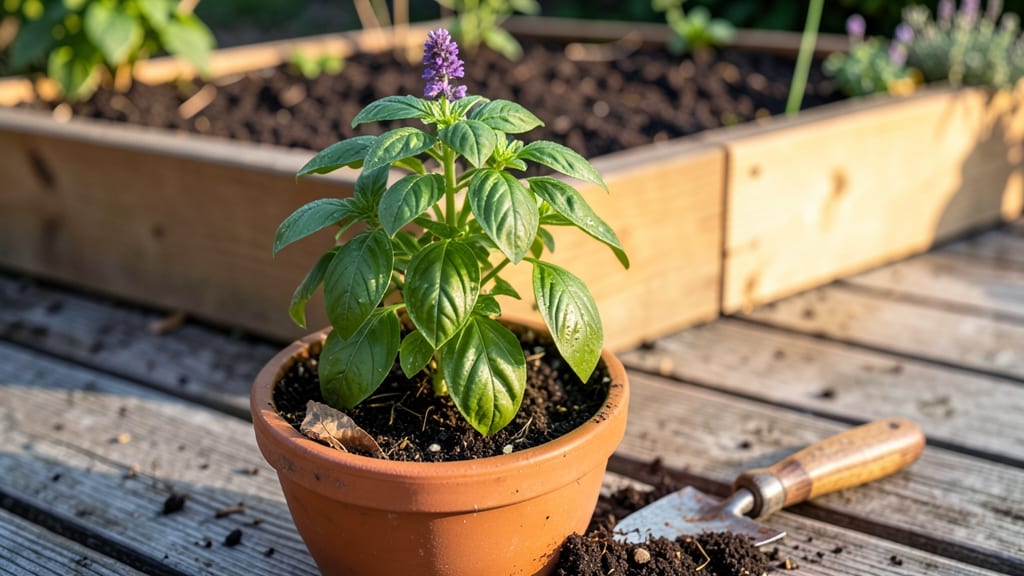
Yes, the raised bed soil can be used in pots, but it needs adjustments to prevent compaction and nutrient loss. Mix in perlite, compost, and organic matter first, then check drainage to avoid root rot in container plants.
Yes, the raised bed soil can be used in pots when you modify its structure and nutrient balance. 🌱 The dense, nutrient-rich mix designed for raised beds can become compacted in containers, restricting root growth and airflow. Adding perlite or coconut coir improves aeration, while compost boosts microbial activity—critical for container plants that deplete nutrients faster. I always test drainage first by filling a spare pot with water; if it drains within 10 minutes, the mix is ready for planting.
For best results, blend 1 part raised bed soil with 1 part perlite and ½ part compost. This ratio works for most vegetables and herbs, though succulents need even more gritty material.
Remember, container plants dry out quicker than in-ground ones, so mulch the surface to retain moisture and monitor soil pH every few months—it tends to shift faster in confined spaces.
💡 In This Article
- Why Raised Bed Soil Needs Adjustments for Pots
- Step-by-Step Guide to Repurposing Raised Bed Soil for Containers
Why raised bed soil needs adjustments for pots
Raised bed soil is engineered for spacious root systems and deep nutrient reservoirs, but containers create an entirely different environment. The key issue is compaction—when soil settles in pots, it crushes air pockets that roots need to breathe.
In a raised bed, roots can spread freely, but in a 10-gallon container, the same soil becomes dense and suffocating within weeks. This is why plants in repurposed raised bed soil often show stunted growth or yellowing leaves—a classic sign of oxygen deprivation.
The nutrient density also shifts dramatically. Raised beds rely on slow-release organic matter spread over large volumes, while pots deplete nutrients 3-5 times faster due to limited soil mass.
For example, a basil plant in a raised bed might thrive for months on the same soil, but in a 5-inch pot, it’ll exhaust nitrogen in just 4-6 weeks.
That’s why adding worm castings or composted manure isn’t just helpful—it’s essential to maintain microbial activity that breaks down organic matter into plant-available forms.
Drainage becomes another critical factor. Raised bed soil often contains 20-30% organic matter, which holds moisture well but can trap excess water in containers.
When I test repurposed soil, I fill a spare pot, water it thoroughly, and time the drainage—if it takes longer than 10 minutes to empty, the mix needs more perlite or coarse sand. This adjustment prevents root rot, a silent killer in containers where water has nowhere to escape.
One common mistake is assuming all raised bed soil is the same. Sandy loam mixes from one region may work perfectly in pots, while heavy clay-loam soils from another will need 50% perlite or vermiculite to prevent brick-like compaction.
I’ve seen tomato plants in repurposed clay-heavy soil develop blackened roots within weeks—proof that texture matters more than you’d think.
Finally, consider the pH shift that occurs in confined spaces. Containers heat up faster, accelerating microbial activity that can acidify the soil over time. Most raised bed soils start near 6.5-7.0 pH, but in pots, this can drop to 5.5 or lower within a season.
That’s why I recommend testing pH every 2-3 months and adjusting with lime if needed—especially for acid-sensitive plants like blueberries or azaleas.
Think of it this way: raised bed soil is like a gourmet meal—nutrient-rich and balanced for large gatherings. But in pots, it’s more like a single serving that needs careful plating to be digestible. The right amendments turn it from a potential problem into a gardener’s secret weapon. 🌱