
Vegetables
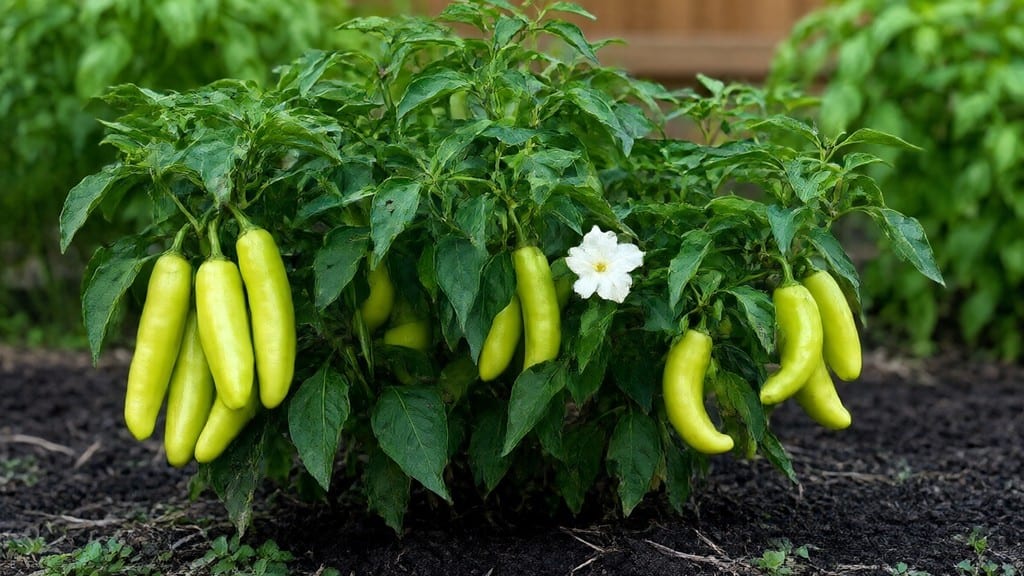
Growing a banana peppers garden that comes back stronger every spring is one of those gardening secrets that changes everything. 🌱 I’ve watched my plants survive winters that killed tomatoes, then explode with yellow-green peppers by early summer—no replanting needed.
The key isn’t just the cold tolerance; it’s how they reward you with years of harvests from the same roots.
Start with well-draining soil mixed with compost, and plant in full sun where temperatures stay above 50°F after frost. Spacing them 18-24 inches apart gives them room to bush out, while regular pruning keeps energy focused on fruit production.
Most beginners overwater or crowd the plants—both lead to weak growth and fewer peppers.
By midsummer, you’ll be harvesting clusters of mild, crunchy peppers for pickling, cooking, or snacking straight off the vine. The plants keep producing until frost, and with proper care, they’ll return bigger and bushier next year. Even in colder zones, they’ll bounce back from the ground.
Works in containers too if you bring them indoors before winter. The real magic? After three years, my plants are now self-sustaining—no replanting, no extra work, just more peppers. Here’s how to get started without the trial-and-error guesswork.
📚 In This Guide
- What you need
- Instructions
- Tips and common mistakes
- Wrapping up and next steps
What you need
- ● Banana pepper plants: 2–4 plants (start from seeds or nursery-bought transplants)
- ● Pro tip: Choose cold-resistant varieties like 'Arpad F1' or 'Golden Banana' for perennial success!
- ● Well-draining soil: 60–100 sq ft of garden bed (adjust based on spacing)
- ● pH level: 6.0–7.0 (test with a soil kit)
- ● Compost or organic matter: 2–3 gallons per plant (for nutrient-rich soil)
- ● Fertilizer: Balanced 10-10-10 or slow-release organic fertilizer (e.g., fish emulsion)
- ● Apply at planting and mid-season
- ● Mulch: Straw or shredded leaves (2–3 inches thick to retain moisture)
- ○ Support (optional but helpful): Tall stakes or cages (4–6 ft) for heavy pepper loads
- ● Drip irrigation system or soaker hose (for consistent watering)
- ● Row covers (lightweight fabric to protect from early frost)
- ● Pruning shears (for shaping plants and removing suckers)
- ● Soil moisture meter (to monitor water needs)
Step-by-step instructions for planting a banana pepper garden
Here's how I grow cold-hardy banana peppers that come back bigger every year—no replanting needed.
🌱 Step 1: Choose the Perfect Planting Location
Banana peppers thrive in full sun, so pick a spot that gets at least 6-8 hours of direct sunlight daily. I always test locations by watching how sunlight moves across my yard—morning sun is gentler, but afternoon heat helps peppers ripen faster. If your garden gets intense afternoon sun, add a light shade cloth during peak summer hours to prevent sunscald on the fruits.
These plants are surprisingly cold-hardy, surviving down to 20°F with proper mulching. I plant mine near a south-facing wall where they catch extra warmth in spring. The key is avoiding frost pockets where cold air settles—banana peppers hate wet feet during cold snaps.
🪴 Step 2: Prepare the Soil and Plant
Work 2-3 inches of compost into the top 6 inches of soil to improve drainage and fertility—banana peppers hate soggy roots. I test soil moisture by squeezing a handful; if it forms a tight ball, add more compost to loosen it up. The planting hole should be just as deep as the root ball, with the top of the roots sitting 1 inch below soil level.
Space plants 18-24 inches apart in rows 2 feet apart to allow airflow and easy harvesting. I always plant in late spring after the last frost when soil temperatures reach 60°F—cold soil slows germination and stunts growth. Water deeply right after planting to settle the soil and remove any air pockets around the roots.
☀️ Step 3: Water and Fertilize for Maximum Yield
Water at the base 1-2 inches per week, aiming for deep soakings rather than frequent light waterings. I check moisture by sticking my finger 1 inch into the soil—if it's dry, it's time to water. Overhead watering can spread disease, so I use drip irrigation or a soaker hose instead. Mulch with 2-3 inches of straw or shredded leaves to retain moisture and protect roots from temperature swings.
Feed with a balanced 10-10-10 fertilizer every 4-6 weeks during growing season, but cut back after mid-summer to encourage fruit ripening. Too much nitrogen late in the season makes plants grow leaves instead of peppers. I always reduce watering slightly as peppers ripen to concentrate flavors.
✂️ Step 4: Prune and Harvest for Long-Term Growth
Pinch off the first few flowers that appear to encourage bushier growth—this gives your plant more energy to develop a strong root system. Once established, let the plant flower freely. Harvest peppers when they're 2-3 inches long and bright yellow for best flavor, using clean pruners to avoid damaging the plant. I harvest every 3-4 days in peak season to keep production going.
In fall, cut back stems to 6 inches tall and mulch heavily with 4-6 inches of straw to protect roots through winter. Banana peppers are perennial in zones 8-11, meaning they'll regrow from the same roots year after year. I've had mine produce for 5+ years with proper winter care—just avoid disturbing the roots during dormancy.
⏰ Step 5: Overwinter for Next Year's Harvest
In colder zones, mound 8-12 inches of mulch around the base in late fall to insulate roots. I use a mix of straw and leaves, piling it higher than you think you'll need—the extra insulation makes all the difference. Water lightly before freezing starts to keep soil moist but not soggy through winter.
In early spring, remove half the mulch and watch for new shoots. Once temperatures stay above 50°F consistently, remove remaining mulch and add fresh compost. Your established plants will produce 2-3 times more peppers than first-year plants because their root systems are already strong and spread out.
Tips & tricks for perfect banana pepper gardens
Here's what I've learned after growing these cold-hardy peppers for years—the little details that make all the difference in your harvest.
Sunlight Strategy: While 6-8 hours of sun is ideal, I've found that morning sun paired with afternoon shade actually produces slightly sweeter peppers. The intense afternoon heat can stress plants, especially in hot climates. If you notice leaves curling or fruits turning pale, that's your cue to add some shade—it's better than losing your plants to heat stress.
Soil Preparation Secret: Don't just add compost—amend your soil with a mix of compost and coarse sand or perlite. This creates the perfect balance of drainage and moisture retention that banana peppers crave. I like to work in about 1 part sand to 3 parts compost for ideal texture. The key is avoiding soggy roots while still keeping moisture available.
Watering Wisdom: Those 1-2 inches of water per week need to be consistent. I've learned the hard way that skipping watering can lead to blossom end rot—those black spots on the bottom of peppers are a sure sign of inconsistent moisture. Use a rain gauge or tuna can to measure your water accurately, and always water at the base rather than overhead to prevent disease.
Overwintering Hack: When you mound that 8-12 inches of mulch in fall, don't be shy—pile it higher than you think you need. I've seen gardeners struggle because they didn't mulch enough, and their plants didn't survive the winter. The extra insulation is what protects those roots from freezing temperatures down to 20°F. Just remember to remove half in early spring before new growth appears.
Pro Tips for Banana Peppers Garden
- Here's what I've learned after growing these cold-hardy peppers for years—the little details that make all the difference in your harvest.
- Sunlight Strategy: While 6-8 hours of sun is ideal, I've found that morning sun paired with afternoon shade actually produces slightly sweeter peppers.
- Soil Preparation Secret: Don't just add compost—amend your soil with a mix of compost and coarse sand or perlite.
Frequently asked questions
Can banana peppers survive winter in cold climates?
Yes! Banana peppers are one of the most cold-hardy perennial peppers, thriving in USDA zones 5-10. With proper mulching (like straw or leaves) and a well-drained spot, they’ll regrow year after year. Just trim back dead foliage in early spring—they bounce back like champions! Pro tip: In zone 5, protect young plants with row covers until soil warms.
How long does it take for banana peppers to produce fruit?
Patience pays off! From seed, expect peppers in 80–90 days (or sooner if transplanted). Established perennials may fruit as early as 60 days after spring regrowth. For faster results, start with nursery plants—just ensure they’re Capsicum annuum varieties (not annuals).
What can I do if my banana peppers turn bitter or lose flavor?
Bitter peppers often signal stress. Check for:
- Overwatering (peppers hate soggy roots—water deeply but infrequently).
- Too much shade (they need 6+ hours of sun daily).
- Overcrowding (space plants 18–24 inches apart).
Are there alternatives to banana peppers for cold climates?
Try these cold-tolerant pepper cousins:
Variety
Cold Hardiness
Flavor Profile
‘Apache’ Chili Pepper
Zone 4–10
Mild, slightly sweet; great for drying
‘Jalapeño M’ (perennial)
Zone 5–10
Medium heat; versatile for cooking
‘Shishito’ Pepper
Zone 6–10 (tender perennial)
Mild, grassy; perfect for grilling
Do I need to dig up banana peppers in winter?
Nope! Unlike tropical plants, banana peppers love staying put. Digging risks damaging roots. Instead:
- Mulch heavily (4–6 inches of straw or leaves) to insulate roots.
- Protect with burlap in extreme freezes (below 10°F).
- Prune back in late winter to encourage new growth.
Wrapping up and next steps
Growing banana peppers in your garden is a rewarding experience—these cold-hardy perennials bring bold flavor, year-after-year returns, and minimal fuss! Whether you’re a seasoned gardener or just starting, their resilience and versatility make them a must-have for any vegetable patch. 🌱
Ready to dive in? Start small—plant a few this season, experiment with varieties, and watch your harvest (and confidence!) grow. Before you know it, you’ll be sharing jars of homemade banana pepper jelly or spicy salsa with neighbors. Happy gardening! 🌶️✨