
Size
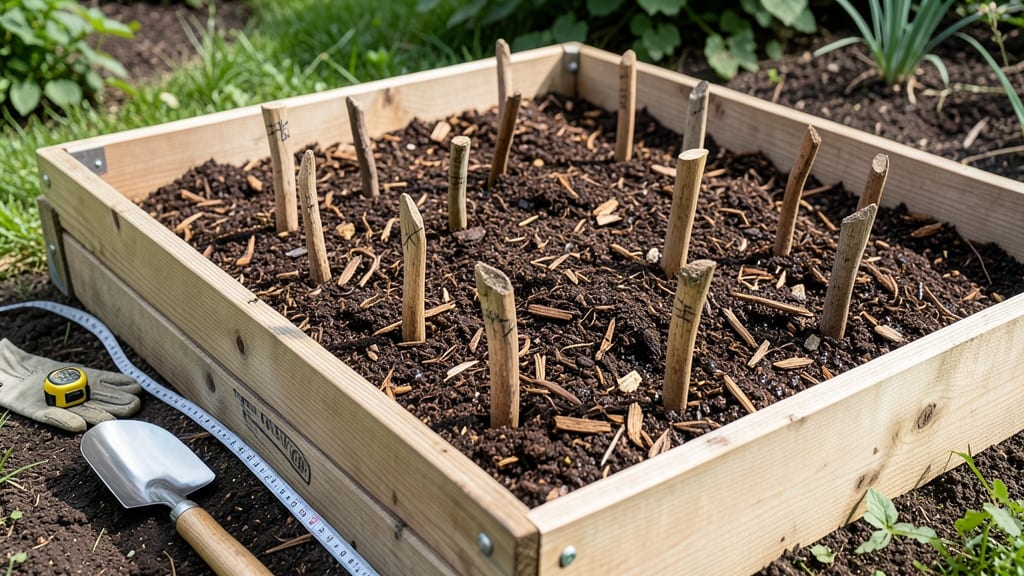
The average raised bed size for optimal plant spacing and yield is 4 feet wide by 8 feet long, allowing easy reach from both sides while maximizing growing space for vegetables, herbs, and flowers. Standard heights range from 6 to 12 inches for most plants, with deeper beds (12–18 inches) ideal for root crops like potatoes and carrots.
Choosing these dimensions isn't arbitrary—it balances ergonomics with plant needs.
A 4-foot width lets you reach the center without stepping inside, while an 8-foot length provides ample growing space without overwhelming small gardens. 🌱 The height varies because deeper beds improve drainage for root crops, but shallower beds work better for leafy greens.
Many gardeners start with this standard size and adjust based on their yard layout or specific crops.
For example, if you're growing tall plants like tomatoes, you might extend the length to 12 feet while keeping the width at 4 feet for accessibility. On the other hand, a 3-foot-wide bed might suit a small balcony or patio where space is limited.
The key is always prioritizing ease of maintenance and airflow between plants.
💡 In This Article
- How Raised Bed Dimensions Impact Plant Growth and Accessibility
- Customizing Raised Bed Sizes for Specific Crops and Garden Layouts
How raised bed dimensions impact plant growth and accessibility
The 4-foot width of standard raised beds isn't just a random measurement—it's rooted in human ergonomics and plant biology. When you stand at the center of a 4-foot-wide bed, your arms can comfortably reach 12-18 inches outward without straining.
This means you can tend to plants along the perimeter without stepping inside, which helps prevent soil compaction from foot traffic. 🌱 The science here involves the "reach envelope" concept from horticultural engineering, where this width balances accessibility with soil volume—enough space for healthy root systems while keeping maintenance efficient.
Length plays a different role in the equation. An 8-foot length provides ample growing space for most home gardens while preventing the bed from becoming too long to manage. Studies show that beds longer than 10 feet can create maintenance challenges, as reaching the far end becomes awkward.
The length also affects soil temperature regulation—shorter beds (6 feet) warm up faster in spring, while longer beds maintain more consistent moisture levels.
For example, a 4x8-foot bed can comfortably grow 16 tomato plants with proper spacing, whereas a 4x4-foot bed might only accommodate 8-10 plants of the same variety.
Height directly influences drainage and root development. Standard 6-12-inch beds work well for most vegetables and herbs because they provide sufficient soil volume (typically 1 cubic foot per plant) while allowing good drainage.
However, deeper beds (12-18 inches) become essential for root crops like carrots or potatoes, where deeper soil prevents forking and allows full root expansion. The extra depth also improves moisture retention in sandy soils or areas with poor natural drainage.
What's fascinating is how height affects microbial activity—deeper beds tend to have more diverse soil organisms because they retain moisture longer, which can boost plant immunity.
Ergonomic considerations extend beyond just reachability. The standard height of 6-12 inches above ground level reduces bending and kneeling, which is especially important for gardeners with back issues. This height also makes it easier to add compost or mulch without excessive strain.
Multi-tiered beds (like stacked planters) can maximize space in small gardens, but they require careful planning—each tier should have its own drainage system, and taller beds may need additional structural support to prevent warping over time.
For instance, a 3-tiered bed with 2-foot-wide tiers could effectively replace a single 6-foot-long bed while using the same footprint.
Consider how these dimensions interact with plant spacing science. The 4-foot width allows for 18-inch spacing between rows of plants, which is optimal for most vegetables to prevent competition for nutrients. In contrast, a 3-foot-wide bed would limit you to 12-inch spacing, potentially reducing yields for larger plants.
The length provides room for multiple rows—an 8-foot bed can fit 4 rows of most vegetables with proper spacing. This spatial efficiency is why many commercial farms use similar dimensions, scaled up for larger volumes.
One common misconception is that taller beds always mean better growth. While deeper beds excel for root crops, shallower beds (6 inches) work perfectly for leafy greens like lettuce or herbs, which have shallow root systems. The key is matching bed dimensions to your specific crops.
For example, if you're growing strawberries, a 3-foot-wide by 6-foot-long bed with 8-inch height would be ideal because strawberries thrive in shallower, well-drained soil. The science here involves understanding each plant's root zone requirements and how bed dimensions affect soil aeration and temperature.
Ultimately, these dimensions create a perfect balance between productivity and practicality. The 4x8-foot standard gives you enough space to grow a diverse range of crops while keeping maintenance manageable.
Whether you're a beginner or an experienced gardener, starting with this size gives you room to experiment with different plants and layouts without overwhelming your space.
The beauty of raised beds is that they're endlessly customizable—once you understand these foundational principles, you can adjust dimensions to fit your unique growing goals. 🌿