
Flowers
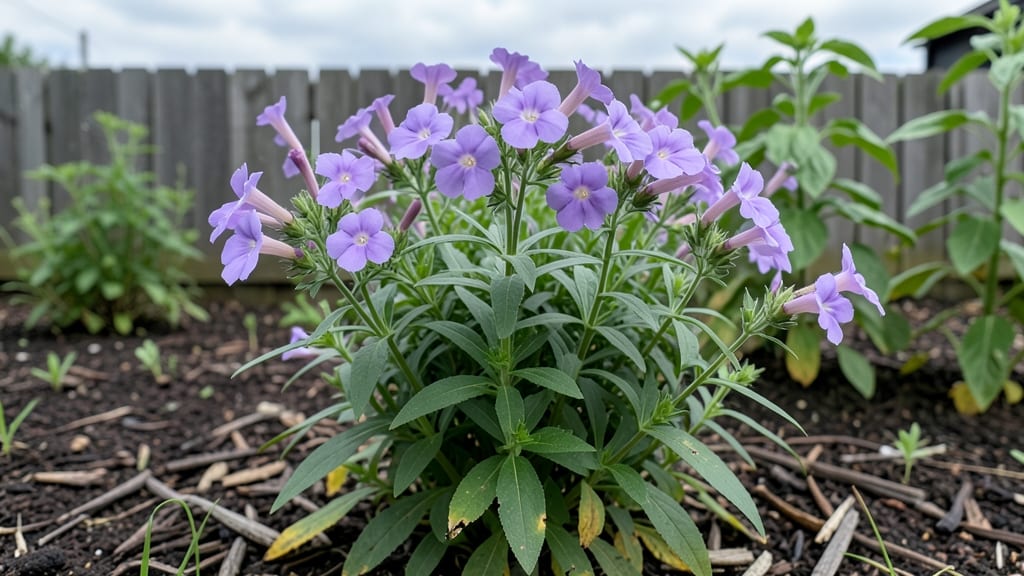
Angelonia in garden designs transforms ordinary borders into striking, pollinator-friendly displays with its towering spikes and vibrant blooms. I first spotted these dramatic plants in a drought-resistant border where they stood out against silver foliage—adding height and color without needing constant water.
The key is pairing them with lower-growing plants to create visual layers, like salvia or dusty miller, while letting their upright form draw the eye.
For cottage gardens, mix angelonia with lavender and catmint for a soft, romantic look that still pops with color. In modern landscapes, their clean lines and bold hues work beautifully alongside ornamental grasses or boxwood hedges.
The secret to making them shine is placing them where their 3-4 foot height can anchor a bed while still leaving room for shorter perennials to spill around them.
Seasonal blooming is another game-changer—these plants keep flowering from summer through fall, providing continuous color when many others fade. The deep purple, pink, or white blooms attract hummingbirds and bees, turning your garden into a lively hub.
Just imagine a hot afternoon where the only movement is wings darting between angelonia spikes and neighboring flowers.
Even in small spaces, angelonia delivers drama. A single container planted with trailing petunias or calibrachoa creates a vertical focal point on patios or decks. The versatility is what makes them a designer’s secret weapon—equally at home in formal gardens or wild, naturalized plantings.
Let’s explore how to make them the star of your outdoor space.
Root Causes Of Angelonia Struggles
Understanding why your angelonia (or Angelonia angustifolia) might be underperforming—or even failing—starts with identifying the hidden forces at play. This vibrant pollinator magnet thrives under ideal conditions, but small shifts in its environment can trigger stress, disease, or decline.
Let’s break down the key culprits behind common angelonia challenges, from wilting blooms to stunted growth, so you can address them with precision.
Angelonia is not cold-hardy—it’s a tender perennial that wilts or dies back when temperatures dip below 30°F (-1°C).
Even brief exposure to frost can cause: - Blackened stems or leaves (freeze damage). - Delayed or stunted regrowth in spring. - Root rot if cold stress weakens the plant before soil warms.
Why it happens:
- Angelonia originates from tropical and subtropical regions of South America, where frost is nonexistent. Its cells lack the antifreeze proteins (like those in cold-hardy plants) to protect against ice crystal formation.
- Cold soil (below 50°F/10°C) slows root activity, starving the plant of water and nutrients. If roots freeze, they cannot recover, leading to death.
- Temperature swings (e.g., warm days followed by freezing nights) create osmotic shock, causing cells to burst.
Actionable fix:
- Mulch heavily (3–4 inches of straw or shredded leaves) to insulate roots in fall.
- Use row covers (frost cloth) for light frosts (down to 28°F/-2°C).
- Grow as an annual in zones colder than Zone 9–10—angelonia rebounds quickly from cuttings in spring.
Angelonia’s thick, fleshy roots store water efficiently, but excess moisture triggers a cascade of problems:
- Root rot (Phytophthora or Pythium fungi) from anaerobic soil (no oxygen).
- Yellowing leaves (chlorosis) due to nutrient lockout—waterlogged soil blocks uptake.
- Stunted growth as roots suffocate and cannot absorb oxygen.
Why it happens:
- Angelonia prefers well-draining soil (sandy loam ideal). Clay or compacted soil holds water like a sponge, creating anaerobic pockets.
- Overhead watering wets foliage, promoting fungal diseases (e.g., powdery mildew) that stress the plant.
- Poor drainage in containers or garden beds traps excess water at the root zone.
Actionable fix:
- Amend soil with perlite, coarse sand, or compost to improve drainage.
- Water at the base (drip irrigation or soaker hoses) to keep leaves dry.
- Check soil moisture—stick your finger 2 inches deep; water only if dry. Angelonia tolerates drought better than soggy roots.
Angelonia loves full sun (6+ hours daily), but intense afternoon heat (especially in Zone 9+) can scorch leaves and flowers:
- Bleached or crispy leaf edges (sunburn).
- Premature flower drop as buds fail to open.
- Stunted growth due to photosynthesis shutdown under extreme heat.
Why it happens:
- Direct midday sun (10 AM–4 PM) can push temperatures above 95°F (35°C), causing oxidative stress in leaves.
- Low humidity (common in summer) increases transpiration rates, drying out cells faster than roots can supply water.
- Reflective surfaces (light-colored mulch, pavement) amplify heat, acting like a magnifying glass.
Actionable fix:
- Provide afternoon shade (30–50% shade cloth) in peak summer if temps exceed 90°F (32°C).
- Mulch with light-colored materials (gravel or straw) to reflect heat.
- Water deeply in the morning to hydrate roots before heat stress peaks.
Angelonia’s soft stems and tender leaves make it a buffet for pests, but subtle infestations often go unnoticed until damage is severe:
- Aphids (sap-sucking insects) cause curled leaves and sticky honeydew.
- Spider mites (tiny but destructive) create fine webbing and speckled leaves.
- Whiteflies cluster on undersides, weakening the plant with their feeding.
Why it happens:
- Stressed plants (from drought, poor soil, or heat) emit more volatile organic compounds (VOCs), attracting pests.
- Monoculture planting (growing angelonia in large groups) spreads pests faster.
- Beneficial insects (like ladybugs) may be absent if you’ve used broad-spectrum pesticides.
Actionable fix:
- Inspect leaves daily—check undersides for eggs or webbing.
- Blast pests off with a strong spray of water (disrupts their lifecycle).
- Introduce predators: Release ladybugs, lacewings, or parasitic wasps for natural control.
Angelonia is a light feeder, but poor soil quality leads to visible deficiencies:
- Yellow lower leaves (magnesium or nitrogen deficiency).
- Purple stems/leaves (phosphorus deficiency).
- Weak, leggy growth (potassium or micronutrient lack).
Why it happens:
- Over-fertilized soil (high nitrogen) promotes lush foliage but few flowers.
- Compacted or clay soil locks out nutrients, making them unavailable.
- pH imbalances (angelonia prefers 6.0–7.0; acidic soil <5.5 blocks iron/manganese).
Actionable fix:
- Test soil (home kits or lab analysis) to check pH and nutrient levels.
- Use slow-release fertilizer (10-10-10 or bloom booster) every 4–6 weeks.
- Top-dress with compost in spring to boost organic matter.
Even healthy angelonia can decline after moving if roots are damaged or disturbed:
- Wilting or yellowing within 1–2 weeks of transplanting.
- Stunted growth as the plant reallocates energy to root repair.
- Increased pest/disease susceptibility from compromised defenses.
Why it happens:
- Root circling (common in container-grown plants) strangles new growth.
- Transplanting in extreme heat/cold slows recovery.
- Over-handling roots (tearing or breaking) reduces water/nutrient uptake.
Actionable fix:
- Transplant on a cloudy day or in early morning/evening.
- Loosen roots gently before planting to prevent circling.
- Water deeply after transplanting to reduce shock.
Quick Fixes for Angelonia Struggles
Reviving your angelonia (or preventing future issues) doesn’t have to be complicated. Below are practical, step-by-step solutions tailored to common problems—plus prevention tips to keep your pollinator powerhouse thriving. Whether it’s wilting, pests, or poor growth, these fixes will get your angelonia back on track in no time.
Cause: Overwatering, underwatering, or root stress (often from heat or transplant shock).
How to Revive:
- Check the Soil Moisture 💧
- Stick your finger 1–2 inches deep into the soil. If it’s bone-dry, water deeply until it drains from the bottom. If it’s soggy, hold off on watering and let it dry slightly.
- Pro Tip: Angelonia prefers consistently moist (not soggy) soil. Mulch around the base to retain moisture and regulate temperature.
- Trim Damaged Foliage ✂️
- Snip off yellow or mushy leaves and stems with clean pruners to prevent disease spread.
- Focus on bottom leaves first—they’re most vulnerable to rot.
- Adjust Watering Habits 🔄
- Morning watering is ideal—it reduces evaporation and fungal risks.
- Avoid wetting the leaves (water at the base) to prevent mildew.
Prevention: ✅ Use well-draining soil (mix in perlite or sand if your garden soil is heavy). ✅ Water at the base, not overhead, to keep foliage dry. ✅ Group plants with similar water needs to simplify care.
Cause: These sap-sucking pests thrive in dry, dusty conditions and weak plants.
How to Eliminate Them:
- Blast Them Off 💦
- Strong spray of water (from a hose) can knock off aphids and spider mites. Do this early in the morning for best results.
- Pro Tip: Use a gentle stream—avoid damaging delicate flowers.
- Neem Oil Spray 🌿
- Mix 1 tsp neem oil + 1 tsp mild soap + 1 quart water in a spray bottle.
- Apply every 5–7 days until pests disappear.
- Bonus: Neem oil also deters future infestations.
- Encourage Beneficial Bugs 🐞
- Ladybugs, lacewings, and parasitic wasps love eating garden pests. Buy them online or attract them with dill or fennel plants nearby.
Prevention: ✅ Inspect plants weekly—catch pests early before they spread. ✅ Remove debris around the base (pests hide there!). ✅ Dust leaves occasionally with a soft cloth to deter mites.
Cause: Too little light, over-fertilizing, or root-bound plants.
How to Boost Growth:
- Move to a Sunnier Spot ☀️
- Angelonia needs 6+ hours of direct sunlight daily. If indoors, place near a south-facing window.
- Quick Fix: Rotate the pot weekly so growth stays even.
- Prune for Bushiness ✂️
- Pinch back tips of new growth to encourage branching.
- Trim long, leggy stems by 1/3 to promote compact, fuller plants.
- Fertilize Lightly 🌱
- Use a balanced, water-soluble fertilizer (10-10-10) every 4–6 weeks during growing season.
- Avoid overdoing it—angelonia prefers lean soil over rich compost.
Prevention: ✅ Start with the right pot size—too small = root-bound stress. ✅ Avoid crowding—space plants 12–18 inches apart for airflow.
Cause: Lack of nitrogen, magnesium, or iron (common in alkaline soils).
How to Fix It:
- Test Your Soil 📊
- A DIY soil test kit (from garden centers) can reveal deficiencies.
- If yellowing starts at the tips, it’s likely nitrogen deficiency.
- Apply the Right Amendments 🌱
- Nitrogen: Use fish emulsion or blood meal (follow package rates).
- Magnesium (for yellowing between veins): Sprinkle Epsom salt (1 tbsp per gallon of water) monthly.
- Iron (for pale leaves): Use chelated iron supplement if soil is alkaline.
- Adjust pH if Needed 🔄
- Angelonia prefers slightly acidic to neutral soil (6.0–7.0).
- If your soil is too alkaline, mix in peat moss or pine needles to lower pH.
Prevention: ✅ Mulch annually with compost to replenish nutrients. ✅ Rotate crops if growing angelonia in the same spot yearly.
Cause: While angelonia is mildly cold-hardy (USDA Zones 8–11), sudden chills can damage foliage.
How to Safeguard It:
- Move Potted Plants Indoors 🏠
- Bring containers before temps drop below 40°F (4°C).
- Place near a bright window (but avoid drafts).
- Cover Outdoor Plants 🧣
- Drape frost cloth or a light blanket over plants at night.
- Secure with clips or bricks so wind doesn’t tear it.
- Mulch Heavily 🍂
- Add 3–4 inches of mulch around the base to insulate roots.
Prevention: ✅ Choose cold-hardy varieties like Angelonia salicariifolia (more resilient). ✅ Plant in spring after the last frost date in cooler climates.
- Deadhead regularly 🌸 to encourage non-stop blooms.
- Divide every 2–3 years 🌿 to rejuvenate mature plants.
- Overwinter indoors 🏡 if you’re in a cold zone—keep in bright, cool conditions.
With these fixes, your angelonia will bounce back stronger—and you’ll have a pollinator magnet that keeps blooming all season! 🐝🌺
Frequently asked questions
What’s the best way to pair angelonia with other flowers for maximum visual impact?
For a striking contrast, plant angelonia with silver foliage plants like dusty miller or lamb’s ear—their metallic leaves make the vibrant blooms pop. Pair deep purple varieties with chartreuse coleus or golden ornamental grasses for a bold, modern look. In cottage gardens, mix with lavender and catmint for a soft, romantic feel.
Can angelonia thrive in containers, and what’s the ideal pot size?
Yes! Angelonia grows beautifully in containers, especially if you choose a pot at least 12 inches wide and deep. Use well-draining potting mix and ensure the container has drainage holes. For patio displays, pair it with trailing plants like petunias or calibrachoa to create a vertical, cascading effect.
How do I keep angelonia blooming all season long?
Deadhead spent blooms regularly to encourage new flowers. Prune leggy stems by 1/3 in early spring to promote bushier growth. Use a balanced fertilizer (10-10-10) every 4-6 weeks during the growing season, but avoid over-fertilizing—angelonia prefers lean soil over rich compost.
Is angelonia deer-resistant, and will it attract pollinators?
Angelonia is mildly deer-resistant due to its slightly bitter foliage, but hungry deer may still nibble in drought conditions. It’s a pollinator powerhouse, attracting hummingbirds, bees, and butterflies with its nectar-rich blooms. Plant it near seating areas to enjoy the lively activity up close!
What’s the secret to making angelonia the focal point in a small garden?
Use its tall, dramatic spikes (3-4 feet) to anchor the space. Plant a single specimen in a large container on a patio or pair it with low-growing annuals like sweet alyssum or verbena to create height contrast. For borders, space plants 12-18 inches apart to let their upright form draw the eye.