
Pests and Diseases
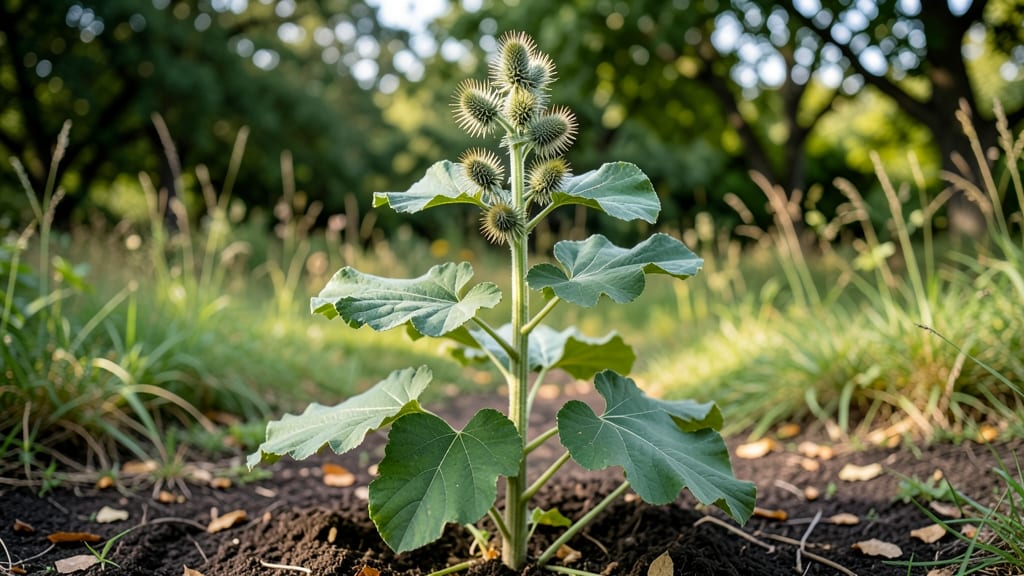
That five-lobed leaf could be poison ivy—or it might be a stunning maple tree or a shade-loving impatiens. 🌿 The key to telling them apart starts with understanding what those lobes look like and where they grow, because one can ruin your skin while the other adds beauty to your garden.
Most gardeners confuse poison ivy with harmless plants like Virginia creeper (five leaflets) or maple trees (deep lobes). The difference? Poison ivy’s leaves have smooth edges and a shiny, waxy coating, while maple leaves have pointed tips and rougher textures.
Impatiens, on the other hand, sport soft, rounded lobes and thrive in shady spots.
If you’re growing these plants intentionally, maples need full sun and well-draining soil, while impatiens love moisture and partial shade. Both are perennials, but impatiens often grow as annuals in colder climates. The trick is learning the subtle differences before they spread.
Start by examining the leaf edges, the plant’s growth habit, and where it’s growing—poison ivy clings to fences, while maples and impatiens stay rooted in soil. A quick leaf rub test (no, not poison ivy!) can confirm if it’s safe to touch.
Genetic and Environmental Triggers
When a plant like Toxicodendron radicans (poison ivy) or its close relatives develop a distinctive five-lobed leaf pattern, it’s rarely a coincidence—it’s the result of a mix of genetic programming and environmental cues.
Understanding these triggers helps you predict where and why these leaves appear, especially in invasive species or hybrid varieties. Let’s break down the key factors:
The five-lobed leaf shape is often hardwired into a plant’s DNA, especially in species like poison ivy or its look-alikes. Here’s why:
- Species-Specific Traits: Many plants in the Toxicodendron genus naturally produce leaves with three to five lobes as part of their evolutionary adaptation. Poison ivy, for example, can grow leaves with three leaflets (classic "leaves of three") or occasionally five lobes, depending on the clone or mutation.
- Hybridization: When poison ivy crosses with related species like Toxicodendron pubescens (Chinese poison ivy), the offspring may inherit a mix of traits, including five-lobed leaves. These hybrids are becoming more common due to climate change and human activity.
- Polyploidy: Some plants undergo chromosomal doubling (polyploidy), which can alter leaf morphology. While rare in poison ivy, this genetic quirk can lead to unexpected leaf shapes in certain populations.
Actionable Tip: 🔍 If you’re identifying a suspicious plant, check for other genetic clues like hairy stems (common in Toxicodendron pubescens) or the presence of both three- and five-lobed leaves on the same vine.
Not all five-lobed leaves are genetic—environmental conditions can force a plant to alter its growth patterns. Here’s how:
- Light Exposure: Inadequate sunlight can cause leaves to grow larger and more lobed as the plant stretches toward light. Shade-tolerant species like poison ivy may develop broader, five-lobed leaves when competing for sunlight in dense forests or urban areas.
- Nutrient Deficiencies: A lack of essential nutrients (like nitrogen or magnesium) can stunt normal growth, leading to irregular leaf shapes. Plants may produce fewer, larger lobes to maximize photosynthesis.
- Water Stress: Drought or excessive moisture can disrupt cell division in developing leaves. While this usually causes smaller or deformed leaves, extreme conditions might trigger the growth of wider, more lobed leaves as a survival mechanism.
- Temperature Fluctuations: Rapid temperature changes (e.g., early spring frosts or late-season heatwaves) can disrupt meristem activity—the growth zones where leaves form. This often results in malformed or extra-lobed leaves.
Actionable Tip: 🌡️ Monitor the plant’s environment. If five-lobed leaves appear suddenly in a previously normal-looking vine, check for recent changes in sunlight, soil, or watering patterns.
Sometimes, unseen invaders like fungi, bacteria, or insects can alter a plant’s leaf development. Here’s how they contribute:
- Fungal Infections: Pathogens like Phytophthora or leaf spot diseases can disrupt the plant’s hormonal balance, leading to abnormal leaf growth. Some infections cause leaves to become thicker or more lobed as the plant tries to compensate for damage.
- Viral Mutations: Viruses (e.g., poison ivy mosaic virus) can alter leaf morphology, sometimes resulting in extra lobes or distorted shapes. Infected plants may also show other symptoms like yellowing or stunted growth.
- Insect Damage: Chewing insects (like Japanese beetles) or sap-sucking pests (e.g., aphids) can trigger a defensive response. In some cases, this leads to the production of larger, more lobed leaves to deter further feeding.
Actionable Tip: 🐛 Inspect the undersides of leaves for signs of pests (eggs, frass, or webbing) or fungal spores. If you suspect a pathogen, consult a local extension service for testing—some diseases can spread quickly.
Physical stress, such as pruning, trampling, or even wind damage, can prompt a plant to regrow leaves with unusual shapes. Here’s the science:
- Apical Dominance Disruption: When the main growing tip (apical bud) is damaged, side buds may take over, producing leaves with different shapes. This can result in five-lobed leaves if the plant’s genetic code allows for it.
- Root or Stem Injury: Cutting roots or stems can send stress signals throughout the plant, altering leaf development. Some plants respond by growing larger, more lobed leaves to recover lost photosynthetic area.
- Herbicide or Chemical Exposure: Certain herbicides or even household chemicals (like gasoline spills) can cause mutations in leaf growth. While this is rare, it’s another reason why five-lobed leaves might appear unexpectedly.
Actionable Tip: 🔪 If you’ve recently pruned or treated the area, note whether new growth shows abnormal patterns. Avoid disturbing the plant further if you suspect it’s already stressed.
By recognizing these triggers, you can better predict where and why five-lobed leaves might appear—and whether they signal a harmless variation or a more serious issue. Stay vigilant, especially in regions where invasive species are spreading!
Quick Fixes for Leaf Issues
If you’ve spotted a five-lobed leaf on your property and suspect it’s not poison ivy—or worse, a related invasive plant—don’t panic! Early action can stop the spread and protect your garden. Below, we break down practical solutions tailored to the most common causes, from misidentification to infestation.
Cause: You’re seeing a harmless lookalike (like Virginia creeper or boxelder) but treating it as a threat.
Fix:
- 🔍 Snap a photo and compare it to a poison ivy vs. lookalike guide (use apps like iNaturalist or the USDA Plants Database).
- 👃 Smell test: Poison ivy has a faint, skunky odor when crushed—lookalikes usually don’t.
- 📏 Check the lobes: True poison ivy has three leaflets (though some varieties have five due to mutations). Virginia creeper has five palmate lobes but no middle stem.
Prevention Tip: 💡 Bookmark a reliable ID tool (like the University of Massachusetts Amherst’s Poisonous Plants Guide) to avoid false alarms.
Cause: You’ve confirmed it’s an aggressive plant (e.g., poison ivy, Japanese knotweed, or wild grape) choking your yard.
Fix:
- 🔪 Cut and bag: Trim stems at the base (wear gloves and long sleeves!). Seal cuttings in double plastic bags before trash pickup—never burn (toxic smoke risk!).
- 🌱 Smother or solarize: For stubborn roots, lay cardboard + mulch over the area or use a black plastic tarp for 4–6 weeks to kill regrowth.
- 💧 Vinegar spray (for small patches): Mix 1 gallon vinegar + 1 oz dish soap and spray directly on leaves (reapply weekly). Note: This won’t kill roots but weakens the plant.
Prevention Tip: ✨ Monitor bare soil areas—invasive plants often sprout in disturbed ground. Mulch regularly to block sunlight.
Cause: Insects (like spider mites or Japanese beetles) are feasting on your five-lobed leaves, stressing the plant.
Fix:
- 🚿 Blast off pests: Spray leaves with water to dislodge mites or beetles. Repeat every 2–3 days.
- 🧴 Neem oil spray: Mix 1 tbsp neem oil + 1 tsp mild soap + 1 quart water. Spray undersides of leaves (where pests hide).
- 🐝 Encourage predators: Ladybugs and lacewings eat mites—plant dill, fennel, or marigolds nearby to attract them.
Prevention Tip: 🌡️ Water deeply in the morning to deter pests and reduce fungal growth.
Cause: Yellowing, wilting, or stunted growth signals root rot, fungal infection, or poor soil.
Fix:
- 💧 Check drainage: If soil stays soggy, amend with compost or perlite to improve airflow.
- 🍄 Fungal treatment: Sprinkle copper fungicide or baking soda mix (1 tbsp baking soda + 1 quart water + a drop of soap) on leaves.
- 🌿 Fertilize lightly: Use a balanced, slow-release fertilizer (10-10-10) in spring to boost weak plants.
Prevention Tip: 📊 Test your soil (kits from garden centers work!) to avoid over-fertilizing.
Cause: The plant is thriving because of overwatering, shade, or lack of competition.
Fix:
- ☀️ Prune for sunlight: Thin dense areas to let more light reach the soil (invasives hate competition).
- 🌳 Plant barriers: Install root barriers (for aggressive plants) or native ground covers (like creeping thyme) to outcompete weeds.
- 🔄 Replace if needed: If it’s a persistent nuisance (e.g., poison ivy), dig up roots (wear a mask!) and replant with native, non-toxic species like serviceberry or elderberry.
Prevention Tip: 🎯 Plan your garden zones—group plants by sunlight/water needs to minimize stress.
If the plant is toxic, spreading rapidly, or resistant to DIY methods, hire a licensed arborist or pest control expert. Some invasives (like kudzu or mile-a-minute vine) require herbicide treatment—don’t tackle them alone!
Remember: The key to solving leaf problems is speed + accuracy. Misidentifying a plant can lead to wasted effort—or worse, harming a beneficial species. When in doubt, consult a local extension office for expert advice!
Frequently asked questions
What are the most common plants with five-lobed leaves?
Beyond poison ivy, look for maple trees (especially sugar maples), boxelder trees, and Virginia creeper. Maple leaves have pointed lobes with serrated edges, while Virginia creeper has smooth lobes and grows as a vine. Both are completely safe compared to poison ivy.
How can I tell if a five-lobed leaf is poison ivy?
Check for these clues: reddish stems, leaflets arranged in pairs, and a middle stem (petiole). Virginia creeper has no middle stem and grows in clusters of five lobes. Always remember: "Leaves of three, let it be!"—but some poison ivy has five lobes due to mutations.
Can five-lobed leaves appear on non-toxic plants?
Yes! Many harmless plants develop five-lobed leaves due to genetics (like impatiens) or environmental stress (e.g., poor light). For example, boxelder maples often have five-lobed leaves, and some hostas may show extra lobes if overcrowded. Always check the plant's growth habit and location.
What should I do if I find poison ivy with five-lobed leaves?
Wear gloves and long sleeves, cut the plant at the base, and double-bag the clippings before trash pickup. Never burn it—poison ivy smoke contains urushiol, which can cause severe respiratory issues. For large patches, consider professional removal to prevent regrowth.
Are there any benefits to growing plants with five-lobed leaves?
Maple trees provide shade and beautiful fall foliage, while Virginia creeper offers year-round interest as a ground cover. Impatiens (with their softer lobes) are perfect for shady garden beds and bloom prolifically. Just ensure proper identification before planting near children or pets.