
How To
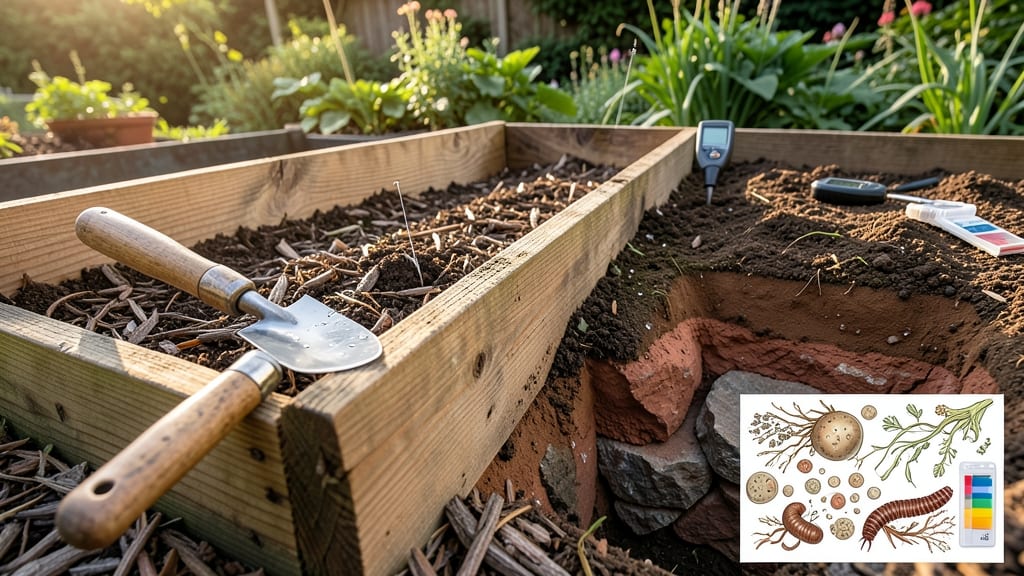
The right soil density can double your harvest—here’s how in-ground vs raised bed soil stack up. 🌱 I’ve grown tomatoes in both, and the difference in root spread, water retention, and nutrient access is night-and-day.
One method fights compaction like a champ, while the other lets you customize every inch of growing space.
In-ground soil is what nature intended: dense, layered with organic matter over decades, and packed with microbial life. But it’s also prone to compaction, erosion, and uneven moisture—problems that raised beds solve instantly.
With raised beds, you control the mix from day one, blending compost, sand, and peat to create the perfect loose, airy medium roots crave.
Your plants will thank you in two ways: deeper roots that access nutrients more efficiently, and a growing medium that stays consistently moist without drowning. I’ve seen beans and carrots grow twice as straight in raised beds, while in-ground soil rewards patience with deeper, hardier roots for perennials and trees.
Choose in-ground for low-maintenance, large-scale planting or raised beds for precision control, faster results, and easier soil amendment. Either way, you’ll grow more—just differently. Let’s break down the trade-offs so you pick the right foundation for your garden.
The first option explained
Option A: In-Ground Soil 🌱💨
In-ground soil is the classic choice for gardening, offering a natural, cost-effective way to grow plants right where they thrive. This method involves planting directly into the earth, leveraging the soil’s existing composition—whether it’s clay, loam, or sandy. Here’s what makes it stand out:
Key Characteristics
- Natural Density: Soil compacts over time, which can either help retain moisture (in clay-heavy soils) or drain quickly (in sandy soils). This density can be both a blessing and a challenge for root growth.
- Nutrient Variability: In-ground soil often contains a mix of organic matter, minerals, and microorganisms, but its fertility depends heavily on location and prior land use.
- Accessibility: No need for extra materials—just dig, amend, and plant! However, working with dense or rocky soil can be physically demanding.
Benefits
- Cost-Effective: No need to purchase or construct raised beds—just prepare the existing soil.
- Environmentally Friendly: Minimal disruption to the ecosystem, as you’re working with the land’s natural resources.
- Ideal for Large-Scale Planting: Perfect for lawns, orchards, or expansive vegetable gardens where space isn’t a constraint.
Typical Use Cases
In-ground soil is best suited for:
- Established lawns and perennial gardens.
- Large-scale farming or orchards where machinery can till the soil.
- Gardens in areas with naturally fertile, well-draining soil (e.g., loamy regions).
- 💡 Pro Tip: If your soil is heavy clay or overly sandy, consider amending it with compost or organic matter to improve structure and fertility before planting!
The second option explained
If you’re dreaming of a low-maintenance, high-yield garden with customizable soil control, raised beds might be your perfect match! 🌱✨ These elevated planting spaces offer gardeners a soil density advantage that’s hard to beat—especially for root-heavy crops or urban gardeners with limited ground space.
🔍 Key Characteristics of Raised Bed Soil
Raised bed soil is typically lighter, looser, and more nutrient-dense than in-ground soil. Here’s why:
- Depth & Structure: Most raised beds are 8–12 inches deep, allowing roots to spread horizontally without compacting. This encourages faster root growth and better aeration.
- Custom Soil Mix: You can design your own soil blend—mixing compost, peat moss, vermiculite, or coconut coir for ideal drainage and fertility. No more battling clay or rocky native soil!
- Warmer Soil: Raised beds heat up quicker in spring (great for early planting) and stay warmer longer in fall, extending your growing season.
- Reduced Compaction: Walking on raised beds doesn’t compress the soil like in-ground plots, so roots stay fluffy and oxygen-rich.
🌟 Top Benefits for Root Growth
Raised beds are a root’s paradise because they:
- 💡 Prevent soil-borne diseases by keeping roots away from contaminated ground soil.
- 🌡️ Improve drainage—no soggy roots here! Ideal for veggies like carrots and potatoes.
- 🎯 Boost yields thanks to consistent moisture and nutrient levels.
- ✨ Work for all gardeners, from beginners to pros, and adapt to any climate.
🌿 Best Use Cases
Raised beds shine in these scenarios:
| Scenario | Why Raised Beds Win |
|---|---|
| Urban or small-space gardening | Maximize vertical and horizontal space without digging. |
| Heavy clay or rocky soil | Replace poor native soil with a perfect growing medium. |
| Growing root crops (carrots, beets, radishes) | Prevents forking and ensures straight, long roots. |
| Accessibility for seniors or those with mobility issues | No bending or kneeling—plant and harvest at waist height! |
Key differences
🌱 Soil Composition & Customization
One of the biggest advantages of raised beds is the ability to fully customize soil composition. Since you’re not limited by the existing ground, you can mix in organic matter, compost, or specialty blends tailored to your plants’ needs.
For example, tomatoes and peppers thrive in loose, nutrient-rich soil, while root vegetables like carrots prefer deeper, well-draining mixes.
In contrast, in-ground soil is what nature (and time) provided. While it may be fertile in some areas, it often requires amendments like compost or sand to improve drainage or texture.
If your native soil is clay-heavy or sandy, you’ll need to work harder to optimize it—sometimes even layering soil types for better results.
📏 Density & Compaction
Raised beds typically have lighter, fluffier soil because they’re built with a higher proportion of organic materials (like straw, leaves, or compost). This reduces compaction, allowing roots to spread easily—ideal for delicate plants like strawberries or herbs.
In-ground soil, however, tends to compact over time due to foot traffic, weather, and natural settling. This can restrict root growth, especially for deeper-rooted plants like asparagus or fruit trees. To combat this, gardeners often use mulch or aeration tools to keep the soil loose.
💧 Drainage & Moisture Control
Raised beds drain exceptionally well because their elevated design prevents waterlogging. This is a game-changer for regions with heavy rains or poor natural drainage. The soil also warms up faster in spring, giving plants a head start.
In-ground soil can be a double-edged sword when it comes to moisture. While it retains water longer (great for drought-prone areas), it’s also prone to saturation and erosion in rainy climates.
If your yard has clay soil, water may pool, while sandy soil can dry out too quickly. Amendments like gypsum or coconut coir can help balance drainage.
🔄 Nutrient Retention & Long-Term Health
Raised beds lose nutrients faster because organic matter breaks down quickly in the open. To maintain fertility, you’ll need to add compost or fertilizer regularly—about every 1-2 years.
In-ground soil, on the other hand, benefits from natural nutrient cycling over time. Earthworms, microbes, and decomposing plant matter continuously enrich the soil. However, if you’re growing heavy feeders like corn or squash, you’ll still need to supplement with compost or manure to prevent depletion.
When to choose which
Choosing between in-ground and raised bed soil depends on your garden’s needs, location, and long-term goals. Here’s when each option shines:
🌱 Pick In-Ground Soil When:
- You have deep, fertile native soil. If your yard’s soil drains well and is rich in organic matter, in-ground planting lets roots spread naturally, reducing labor and cost.
- You’re growing large, deep-rooted plants. Trees, shrubs, and sprawling veggies (like squash or corn) thrive with the extra space and stability of in-ground beds.
- You want to minimize maintenance. No borders to replace, fewer weeds to pull (once established), and natural soil ecosystems to support beneficial microbes.
- Your climate is mild. In-ground beds retain moisture better in cooler regions, reducing the need for frequent watering.
🏞️ Opt for Raised Beds When:
- Your soil is poor, rocky, or compacted. Raised beds let you create a custom, nutrient-dense mix tailored to your plants’ needs—no digging required!
- You have limited space or poor drainage. Raised beds improve control over water flow and are perfect for small yards, patios, or slopes.
- You want faster, easier gardening. Less bending, fewer weeds, and warmer soil in spring mean quicker planting and harvesting.
- You’re growing in urban areas or rented spaces. No permanent soil changes needed—just fill, plant, and go!
- You prioritize pest and disease control. Elevated beds reduce soil-borne issues and make it harder for critters to dig in.
Pro Tip: 💡 For best results, consider a hybrid approach! Use raised beds for high-value crops (like herbs or veggies) and in-ground planting for perennials or large plants. This way, you get the benefits of both worlds!
The bottom line
Choosing between in-ground vs. raised bed soil comes down to your garden’s needs and your hands-on approach. In-ground soil offers natural density and cost savings but may require more effort to amend.
Raised beds provide better drainage, warmer soils, and easier customization, making them ideal for heavy or rocky terrain. 🌱
For root-heavy plants like tomatoes or carrots, in-ground soil’s depth may win.
But if you want faster growth, fewer weeds, and soil control, raised beds are the way to go. Test your soil first! Whether you dig deep or build up, the right soil mix will help your plants thrive.